 PerroAmante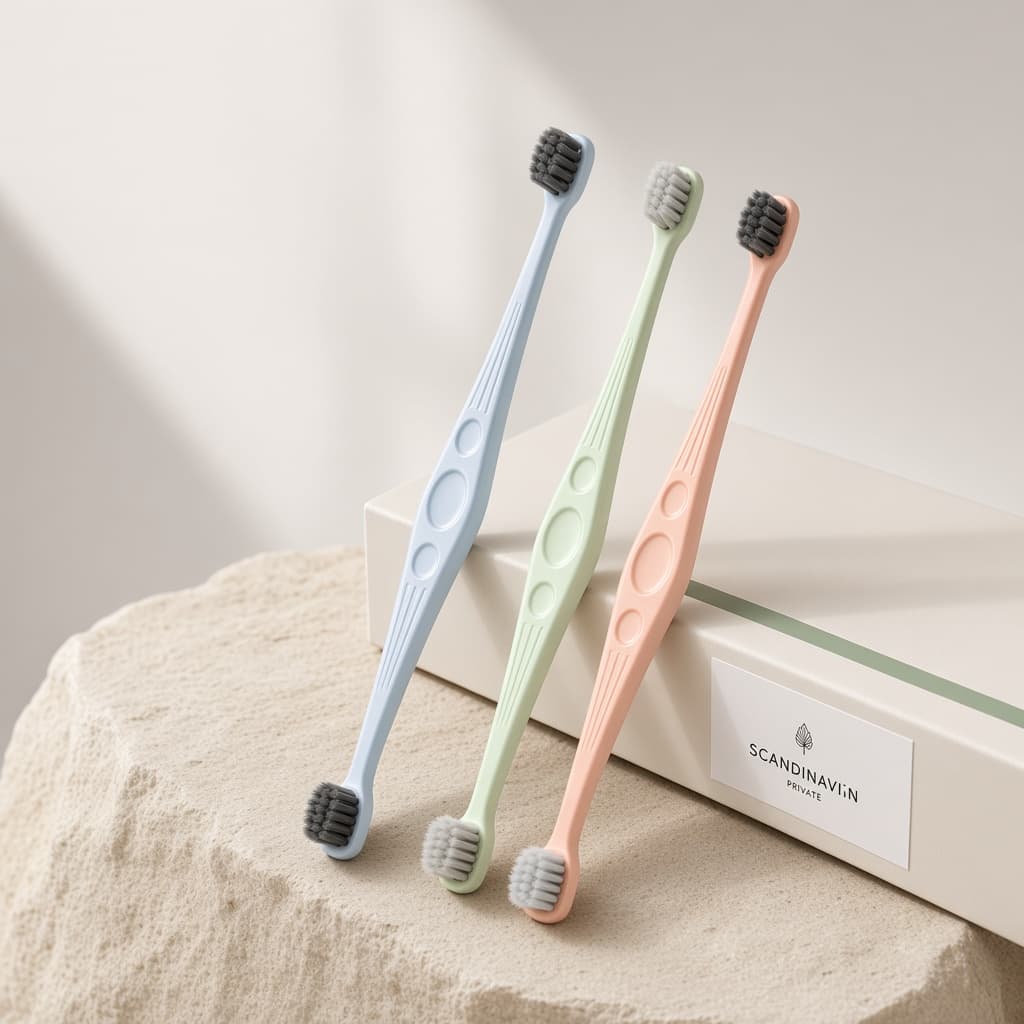
Enzymatic toothbrush kit, 3 pieces
For dogs who resist mouth cleaning: teeth and breath routine started in one week, with a no-rinse paste and two heads that form the Mouth Routine.
Starting a proper brushing habit for your dog is finally possible without rinsing after each use, without extra paste tubes or without replacing the whole kit every month.
Cuidar: the kit supplies the matched tools that close the dental routine inside Protocolo PerroAmante.
- A realistic progression: the finger brush prepares and the brush finishes, so you can move at your dog's pace rather than the calendar's.
- Full reach: the double head and the 22 cm handle get to the back molars, where almost all tartar begins.
- The paste keeps working: the enzyme system stays active after the session, so there is no rinsing and no insisting.
- A closed kit: the three pieces are matched to the same protocol, so you are not mixing brands blindly.
€16.90
VAT included
Free shipping over €85: €68.10 to go
In stock
- Ships in 2–4 days from Barcelona
- 90-day guarantee
- PerroAmante Circle access with your purchase
Always use the brush with your dog supervised, hold the handle firmly so he cannot bite it, and replace the head when the bristles splay.
What it is and what it is not
For owners who want to set up the full dental routine, and for dogs still learning to accept hands near their mouth. The silicone finger brush covers the first weeks, and the double-headed brush reaches the back molars once your dog is comfortable.
Mechanical brushing is what removes soft plaque before it mineralises, and the enzymatic paste keeps the work going for hours after the session.
It does not remove tartar already bonded to the tooth, it is no substitute for ultrasonic cleaning, and it is not a tool for forcing a dog that defends himself: in that case it is better to start with the gel or the water additive. It is also not a kit to share between several dogs.
A long 22 cm handle, soft bristles and a translucent paste with a discreet chicken taste.
Selected as the piece that completes the dental protocol and for the manufacturer's declaration of conformity.
How to use
- Let your dog lick a little paste off your finger so he links the taste with something good.
- Start with the silicone finger brush, on the canines only, for two or three days.
- Move to the double-headed brush and clean the outer face of the teeth with short strokes, angled towards the gum.
- Finish with the back molars, where most plaque gathers, and do not rinse.
Frequency: every day if possible, with a minimum of three times a week.
Details
- Reference
- 066
- Handle
- Polypropylene
- Head
- Dual, densely implanted soft bristle
- Use
- Small dogs and cats
- Packing
- 27 x 14 x 24 cm carton
- Operation
- Manual
- SKU
- SR-0012
Ingredients
Enzymatic paste: vegetable glycerin, purified water, silicon dioxide, sorbitol, glucose oxidase, lactoperoxidase, cellulose, zinc citrate, natural chicken flavouring, potassium sorbate. No xylitol and no foaming agents. Brush: polypropylene handle with soft nylon bristles. Finger brush: food-grade silicone.
Why it is at PerroAmante
It passed our internal 7-criteria score (problem fit, quality, honest margin, differentiation, compliance, logistics and repeat value) and we keep its safety and compliance documentation on file.
Who it is for
- Owners setting up a full dental routine at home
- Dogs learning to accept hands near the mouth
- Urban owners who want a short, repeatable plan
Who it is not for
- Dogs that defend themselves when touched
- Owners looking for a single quick fix
The usual way
What you have tried and why it does not last
Random pastes and chews
You buy whatever is on offer and hope something works, most get discarded half-used.
Forcing the brush from day one
You push the full brush too soon and the dog learns to hate the whole process.
Waiting for the annual check
Small plaque builds until the only option left is professional cleaning under sedation.
The PerroAmante way
Everything you need to start brushing properly, with two heads and a paste you do not have to rinse off.
Frequently asked questions
Is it worth the price?
Three matched pieces replace separate purchases and last a full year of weekly use, so the cost per session stays low.
Will it work on my dog?
The finger brush starts the habit gently and the double head finishes once your dog accepts it; many owners see cleaner teeth within four weeks.
Should I ask the vet first?
The kit is chosen for daily maintenance only; the product page already lists when a professional cleaning is still needed.
Where is it made and is the quality real?
European manufacturer with published conformity documents; every batch is checked before it reaches the warehouse in Barcelona.
The expensive alternative
One professional dental cleaning in Spain costs 120–180 €; this kit at 16,90 € lets you maintain the result at home between visits.
90 days. If you do not notice the difference, we refund you.
Add to cartReviews
5.0 / 5 · 1 reviews
Buen tamaño de cabezal
Mi teckel de 6 años tiene la boca pequeña y el cabezal fino llega bien a los molares. El dedal es útil los primeros días para que se acostumbre.
Pablo E. · 19 June 2026
Same routine
Pairs well with
 Subscribe and save
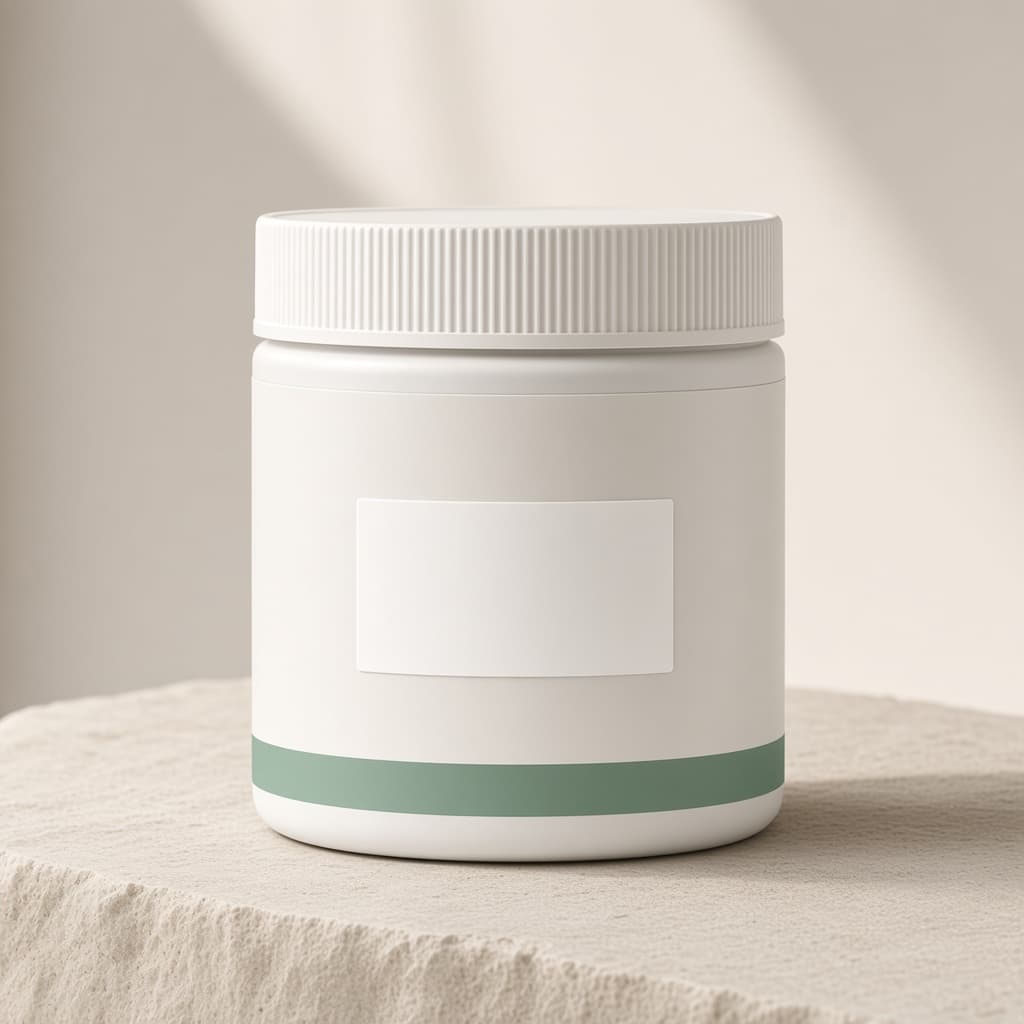
Oral hygiene powder for dogs, 100 g
Powder sprinkled on food to form part of the daily oral hygiene routine without treating or preventing dental problems.
€14.90
Helps with: Mouth: teeth and breath · Bad breath
 Subscribe and save
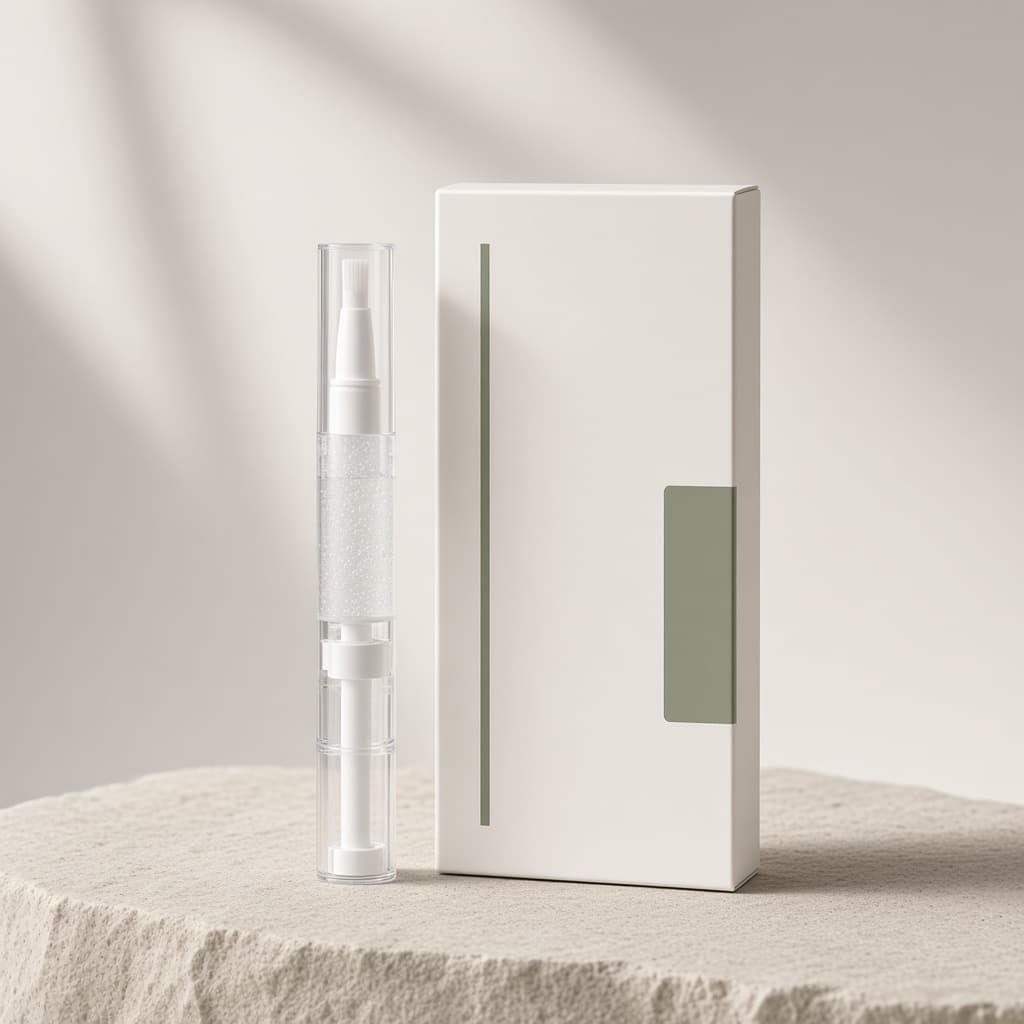
Dental gel for dogs with applicator
Gel applied to teeth and gums with finger or brush without rinsing and that does not replace the vet.
€14.90
Helps with: Mouth: teeth and breath · Bad breath
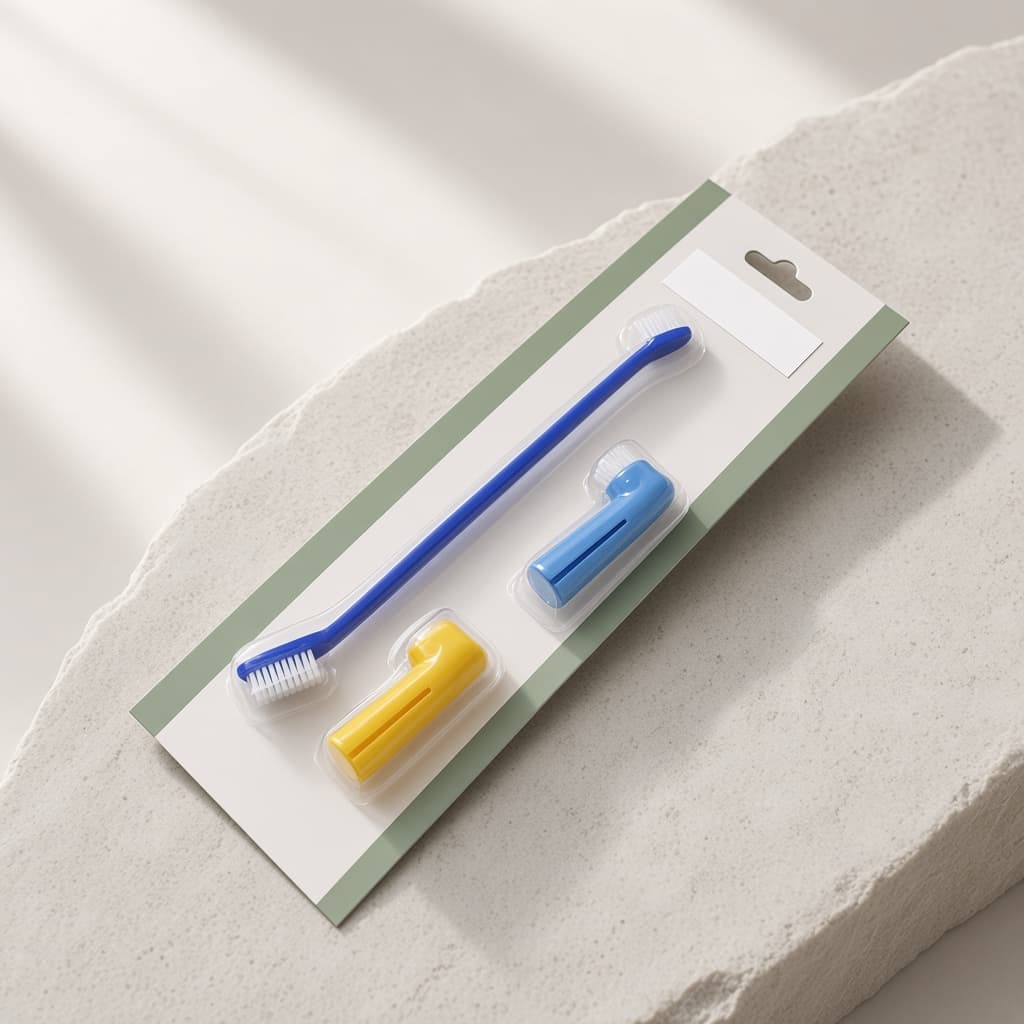
Silicone dog dental brush set
Long dual-head silicone brush set with finger brushes for routine dental hygiene that does not replace the vet.
€9.90
Helps with: Mouth: teeth and breath · Bad breath
 Subscribe and save
Liquid water additive for dogs
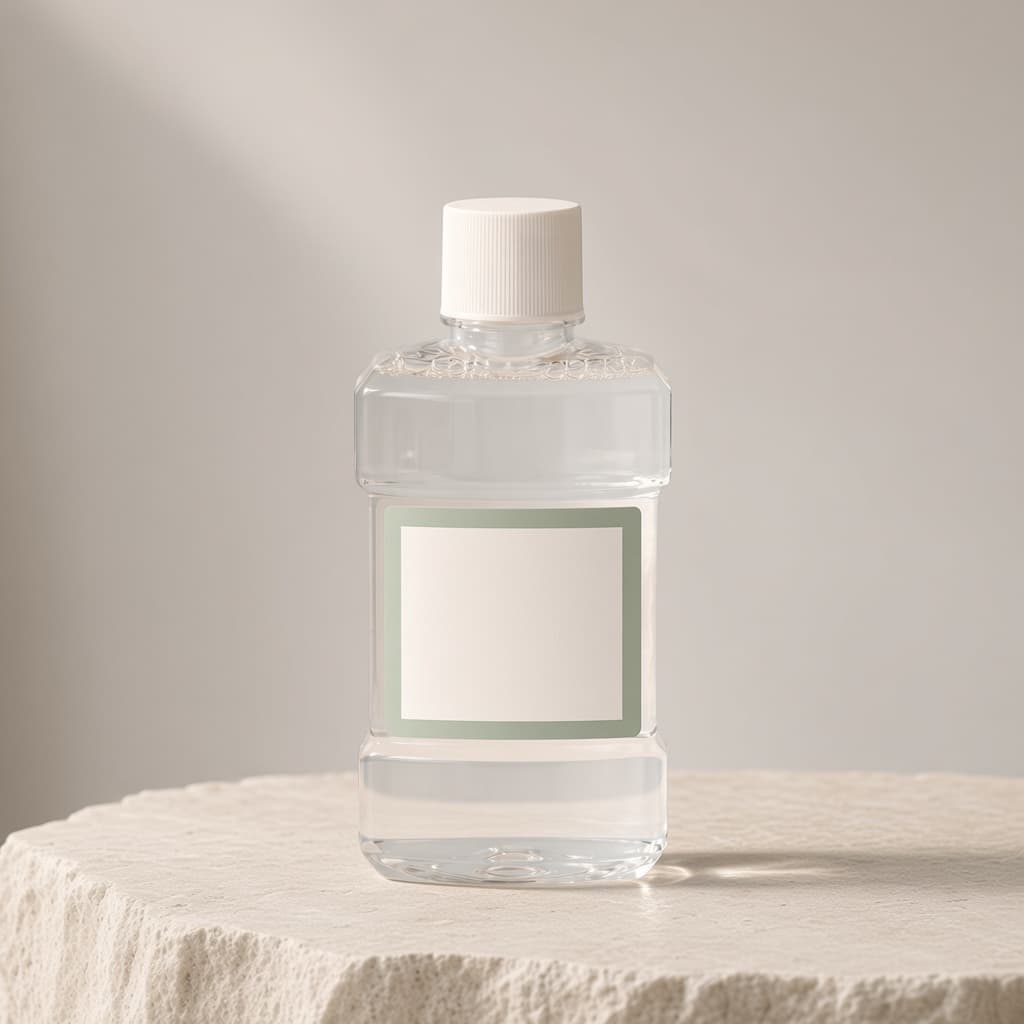
Added daily to the water bowl for dogs that refuse brushing, without resolving health issues or replacing veterinary care.
€14.90
Helps with: Bad breath · Mouth: teeth and breath
Want to understand the problem first? Mouth: teeth and breath →